[0.3] Dear god. How long do I have to talk about this?
—Quincy
1. Introduction
[1.1] On June 10, 2020—amid the spread of a global pandemic and during a summer marked by protests against police brutality—famous author of the Harry Potter (hereafter HP unless appearing in a title or quotation) books, J. K. Rowling, posted an essay to her professional website titled "J. K. Rowling Writes About Her Reasons for Speaking Out on Sex and Gender Issues." The essay captures Rowling's response to the negative feedback she received after posting several times supporting gender essentialism on Twitter. Without proper policies in place, she believes that men will choose to change their gender to female for nefarious purposes to target women (Rowling 2020). To reinforce this stance and to reframe the negative press that she received, Rowling relied on her positionality as a sexual assault survivor. In her words, "the scars left by violence and sexual assault don't disappear, no matter how loved you are, and no matter how much money you've made." Overall, the essay demonstrates Rowling's "women-first" approach, a standpoint that harms other marginalized groups. While rhetorically Rowling frames her concern as a feminist issue, the solutions that she offers serve to harm the transgender community.
[1.2] Consider, for example, Rowling's claim that there are not enough policies in place to moderate transitioning: "When you throw open the doors of bathrooms and changing rooms to any man who believes or feels he's a woman…then you open the door to any and all men who wish to come inside" (2020). For Rowling then, the process of transitioning should be made more difficult for transgender individuals to protect against the criminal behavior of men, specifically. By highlighting what she perceives as the ease with which one can take up an identity other than that which they were assigned at birth, she frames rights for transgender people as a slippery slope that leads to dangerous situations. Rowling's essay received international coverage that reached both dormant and active HP fans. In the wake of these tweets and their accompanying essay, the fandom underwent a shift as some fans grappled with the pain of Rowling's anti-trans stances and deemed Rowling a TERF, or trans-exclusionary radical feminist—meaning that she purports to hold feminist values while also denying trans subjectivity and perpetuating transmisogyny (Gutzwa 2022). Importantly, trans historian Cristan Williams (2016) has challenged the notion that trans-exclusionary activists can ever be considered radical feminists since she argues that radical feminism has always been trans inclusive. In particular, Williams highlights the support of feminists Andrea Dworkin and Catharine MacKinnon for transgender causes and several occasions in which radical feminist groups centered trans inclusivity in the face of violent TERF activists. The rift between radical feminists and TERF activists echoes the rift between demystified HP fans and Rowling herself. As I uncovered through fan interviews, in realizing Rowling's TERF stances, these concerned fans defended transgender people and debated what to do about the wizarding world.
[1.3] In this article, I explore the gray areas that emerge when crisis forces individuals to reflect on what it means to be a fan. I address the affective response of fans in the wake of Rowling's cancellation through the close reading of survey results and semistructured interviews (note 1). I begin my analysis by establishing what I term bad authors through a review of existing scholarship on affect, media studies, and fandom studies. Secondly, I consider how fans use critical distance and nostalgia to approach Rowling and the HP series from a position that feels more comfortable for reflection. In the final part, I consider how fans draw on their own identities to reorient themselves around the franchise by either disregarding Rowling's actions, changing the ways that they engage with the franchise, or avoiding the franchise altogether.
Table 1. Number of interview participant responses to the survey question: "With which racial/ethnic group(s) do you identify? (Select all that apply.)"
| East Asian | 1 |
| Latinx | 1 |
| Middle Eastern | 1 |
| Southeast Asian | 2 |
| White | 16 |
Table 2. Number of interview participant responses to the survey question: "Gender Identity (Select all that apply.)"
| Female | 4 |
| Male | 12 |
| Nonbinary/Third Gender | 4 |
| Other | 1 |
[1.4] As someone who finds themselves troubled by their own occupation of that gray area between fan and former fan, speaking directly to others was important as I considered how to understand the ways that fans managed their relationships with bad authors. To draw interview participants, I used my personal social media accounts to post a digital flyer with an invitation to a Qualtrics survey, which resulted in a collection of seventy-eight responses from all regions of the contiguous United States. The survey included twenty-three total questions about demographics, the fan's relationship to HP and Rowling, and information collection regarding a follow-up interview over Zoom (note 2). Most of the questions were multiple choice, but closing questions allowed survey respondents to expand on their thoughts about Rowling in a text-box format. The follow-up interviews were semistructured, and some questions were personalized based on the fan's survey answers (demographic information for interview participants can be found in tables 1 and 2). For instance, based on the fan's survey responses, they were invited to expand on why the author's actions did or did not impact their overall feelings about the franchise. At the end of every interview, fans were invited to share anything that they felt was important but was not reflected on in the interview process. Follow-up interviews were scheduled with seventeen current or former fans of the franchise. All participants are quoted using pseudonyms. By analyzing these surveys and interviews, I address how fans negotiate, reorient, or reject their fandom.
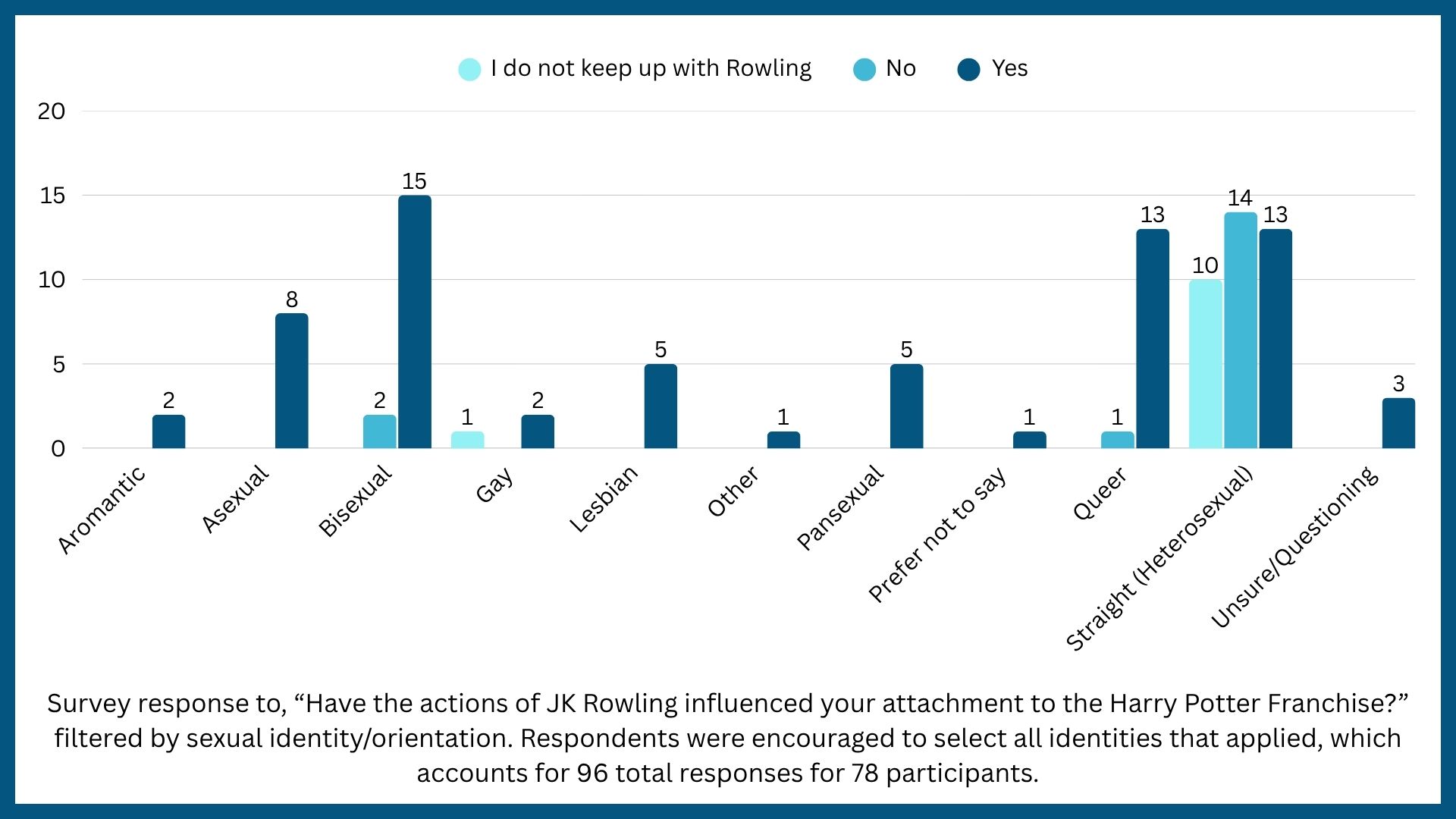
Figure 1. A bar chart representing responses to survey questions. Chart made by the author using survey data.
[1.5] Survey responses filtered by the demographics of the participants suggested some profound relationships between identity and feelings toward Rowling. Gender identity, sexual identity/orientation, and race all impacted how survey respondents felt about how Rowling's actions influenced fannish attachment. For instance, in gender categories besides cisgender male and cisgender female, the results were unanimous that Rowling's actions had influenced their fannish attachment. Figure 1 shows how Rowling's actions impacted fan attachment based on sexual identity/orientation. In this survey, straight respondents were the most likely to either not keep up with Rowling or not be impacted by her actions. Of the survey participants who identified as white, 36 percent either did not keep up with Rowling or did not let Rowling's actions impact their attachment to HP. Though most survey respondents identified themselves as white (76 percent), of non-white participants surveyed, the results were again unanimous that Rowling's actions impacted their attachment to the franchise. The intersectional results revealed that white, cisgender, straight men were the least impacted by Rowling's actions; 60 percent claimed that her actions did not impact their fannish attachment, while 38 percent of white, cisgender, straight women claimed not to be impacted (figure 2). These two intersectional categories were isolated because non-white and transgender participants were unanimously impacted by Rowling's rhetoric, albeit in a variety of ways that they reflected on during interviews. To further isolate these identities, of white, cisgender, queer-identifying respondents, 12 percent of women (two participants out of fifteen) and 50 percent of men (one participant out of two) were unfazed by Rowling in their attachment to the franchise. While the data pulled from these identity groups is not large enough to draw significant conclusions about these queer identities and attachment trends, it does suggest a correlation between queer identities and an investment in the politics of consuming entertainment media that further research could expand on. In the analysis of follow-up interviews that follows, I explore how some fans spoke about identity in relation to their feelings about Rowling and HP more broadly.
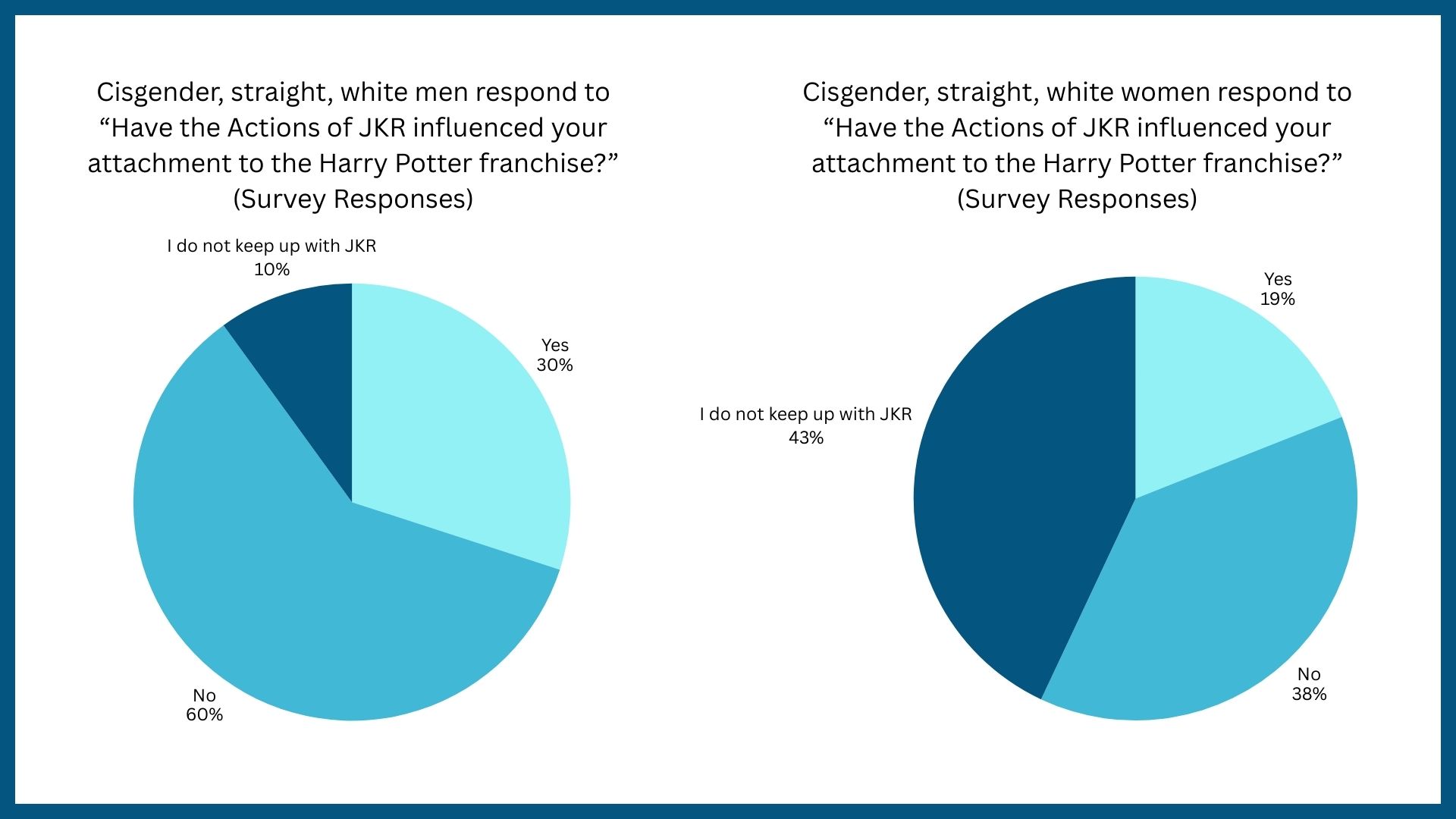
Figure 2. Pie charts representing responses to survey questions. Chart made by the author using survey data.
2. Long-term fandom breakups
[2.1] During interviews, several respondents indicated that they felt a sense of loss, disappointment, or even devastation after hearing about Rowling's transphobia. For some, these feelings were exacerbated when they returned to the series to find racist depictions in the original texts. According to media scholar Jonathan Gray, disappointed antifandom occurs when antifandom and fandom function simultaneously: "Some audiences may be otherwise inclined to like or love a text, but something key in the text may alienate, annoy, disgust, anger, or disappoint yet other audiences" (2019, 30–32). While Gray's work focuses on elements of a text that may disappoint audiences, I posit that in the case of Rowling—and for other bad creators such as Neil Gaiman or Woody Allen—disappointed antifandom can also define the way that people feel about canceled authors and their works. Gray defines popular bad objects as the object of "widespread agreement—whether moral, aesthetic, affective, or political—about what is inappropriate in the media world" (29). In turn, I describe Rowling as a bad author to imply that the fans that I interviewed widely perceived her behavior as being problematic. For instance, fans who believe that the author's work is valuable can also find the actions of the author completely reprehensible in such a way that directly impacts their attachment to that work. The disconnect that the fans felt between the ideologies of the book—which prioritized inclusiveness and resistance as themes—and Rowling's actions echoes Christine Schott's (2023) findings in her exploration of how literary analysis and fan fiction can serve as a form of resistance and recuperation of a work in the face of a problematic author. In contrast to Schott's analysis, many of the fans that I interviewed could not restore the work. Reflecting on her feelings after the collapse of the fandom, for example, Anna noted that it felt like a piece of her childhood heart had died and that she just wanted to give her twelve-year-old self a hug. She also shared the following anecdote: "This is probably an overshare, but I got stuck in the mental hospital at sixteen, and the one book I brought was the fifth Harry Potter book, and I read it over and over…it was just this warm safety blanket. And you definitely don't want a hole in your safety blanket." For Anna, the franchise was a safe place to go when the world around her felt out of balance, but now she feels that she can no longer support the franchise because of Rowling. Similarly, Valerie described her feelings along the lines of mourning: "So I can look at it and say this is something that I loved and that helped me…that season of my life is over." Anna and Valerie were particularly vulnerable during their interviews and offered productive and reflective perspectives for what it means for long-term fans to reconsider their attachment to a beloved object with a bad author.
[2.2] By considering long-term fandom, I consider how objects of fandom can stay relevant during a significant duration of a person's life or the fan object's existence. Long-standing franchises present an interesting question for the idea of a long-term fandom because it seems that the longer a franchise is in existence, the more time there is to complicate individual attachment. It is also the case that transmedia franchises and their fandoms seem to maintain relevance for longer than ever (consider other franchises such as Marvel, Star Wars, or Star Trek, for example). The longevity of a fan's attachment to a franchise supposes that they have become entrenched in the cultural object in such a way that has been essential to their personal development. This study can be understood as a continuation of the work done by Casey Friedmann Kelley (2023) who also surveyed HP fans on Tumblr after Rowling made prejudiced remarks on Twitter against transgender people. The sentiments from my interviews echoed some of the survey responses Kelley received and quoted in her article, including fans making decisions about future franchise consumption, the deployment of "death of the author" theories, and that Rowling's behavior impacted fans' ability to participate in the fandom. The follow-up interviews that I performed for this project add further development to these ideas while also introducing the theoretical framework of the bad author and fan orientations. Considering "fluid authorship" during the length of the franchise's existence, Valentina Anania (2021) productively complicates the authorship of the HP franchise in her article that distinguishes the transition of authorship from centralized on Rowling to a collaborative form of authorship that began when new HP works were added to the franchise beginning in 2016. Though I concede that HP is now developed by many hands, I focus on how Rowling's behaviors as a celebrity author did or did not impact fan attachment to the franchise and do not consider other authorial actors at length. Rather than analyze fallout for HP brand identity, I explore how HP fans can be taken as a case study to understand how fans negotiate their relationships to problematic creators.
[2.3] In part, I am invested in thinking about bad authorship in the sense of Sarah Ahmed's (2006) process of orientation and disorientation. This approach responds to calls in fandom studies to mobilize affective methods (Hansal and Gunderson 2020; Lowe 2020; Vist et al. 2021). While orientation is the experience of understanding how we relate to other objects and how those relations make us feel, disorientation is described by Ahmed as a "way of describing the feelings that gather when we lose our sense of who it is that we are" (2006, 20–21). In terms of fan studies, I want to suggest that fans experiencing crisis or trauma within their fandoms undergo a moment of disorientation in which the opportunity arises to reconsider their own identities and their relationship to the fannish object. After crisis, fans may experience a kind of unbecoming in their fandom that causes them to pause and reflect on their relationship to creators, creations, and their own identity. Ahmed's discussion of Heidegger's hammer is a valuable metaphor for thinking about problematic actions of authors because it highlights the moment in which the tool becomes more than what it is used for, but rather an "object-in-itself." When the hammer breaks, Ahmed notes that "the hammer ceases to be a means to do something…and becomes the object that we attend to, or are concerned with" (46–48). As a metaphor, we might understand the author (Rowling) as the hammer, and the work (HP) as the object being worked on. When things are going smoothly, we might not think about the author as more than her action; she is the composer of the work that draws fans and audiences. However, when Rowling started spouting her transphobic beliefs that contradicted the ideologies that fans felt were represented in her work, there was a moment in which Rowling—as the broken tool—called for reconsideration. Rebecca Williams's (2025) discussion of how fans have considered or renegotiated their relationships to HP tourism spaces since Rowling began her transphobic rhetoric serves as a valuable example for this metaphor. When authors or artists act in ways that we fail to anticipate as fans, they similarly fail to function as tools to enter certain worlds or experiences. Rather, we find ourselves contemplating the purpose of the author and their properties and, in many cases, our relationship to the fandom as a whole.
[2.4] The anecdote shared by Anna above also touches on the shift that occurred with many of these fans, notably that they transitioned from actively consuming HP merchandise to intentionally avoiding franchise texts and paratexts. Rebecca Williams describes "post-object fandom" as "the fandom that continues after the cessation of the fan object itself" (2015, 29). For several of the fans that I spoke to during one-on-one interviews, HP became post-object in the sense that the franchise was dead for them, specifically. Rowling—in partnership with Warner Bros., Universal Studios, Scholastic Press, and Bloomsbury—will undoubtedly continue to produce new installments of Wizarding World films, continue to expand the theme parks, and produce special edition copies of the books (Cross 2025; Harry Potter Editorial Team 2024). However, some fans have intentionally decided not to consume further franchise media or merchandise. Bethan Jones's (2018) conception of the post-object antifandom was fundamental to the way that I have approached the similar "grief and disgust" that I encountered in talking to former HP fans. Combining these two key terms, Jones considers the collapse of the Lostprophets fandom in the wake of several sexual misconduct charges against lead singer Ian Watkins. In the wake of Watkins's cancellation, fans reconsidered their listening habits to pull away from the artist. However, my interviews were slightly different than Jones's findings in that, unlike the Lostprophets (which broke up following the charges leveraged against Watkins) the Wizarding World universe—as a long-standing transmedia franchise—is still actively being produced. Because of this, my research indicated the importance of drawing out the nuances of this antifandom since several of the participants felt strongly about Rowling but still felt warmly about the franchise itself. Like Driessen's (2023) examination of Dutch singer and canceled "fave" Marco Borsato, my investigation demonstrated the conflicted feelings that fans have that complicate the binaries between right and wrong, active and dormant, fan and antifan. In doing so, they not only had to consider how to address media from the past, but they also had to resist the allure of keeping up with a transmedia powerhouse.
[2.5] This investigation also demonstrated the intricacies for fans living in a society reckoning with what is popularly known as cancel culture, which, according to Eve Ng, refers to cancel practices such as calling out and withdrawing public support from an artist or author, and cancel discourses, or "commentary about cancel practices and their aftermath" (2022, 5–6). In an article examining the #RIPJKRowling movement on Twitter, Hannah Ravell concludes that the online movement to declare Rowling dead demonstrated the "power of prosumers and cancel culture and consequence of an individual being perceived as betraying their fans and brand identity" (2023, 265). Writing within a few years of Rowling's cancellation, Ravell posits that there might be long-term box office consequences from this online activism. While the box office numbers for the Fantastic Beasts series did decline in the years following Rowling's collapse, I am critical of the idea that she will continue to see such a steep impact from this activism, particularly in such an increasingly right-wing political landscape. Despite 64 percent of survey respondents claiming that the actions of Rowling had influenced their attachment to the franchise in recent years, only 19 percent of respondents claimed to no longer be a fan of the franchise. 43 percent responded that they were still fans of the franchise, while 38 percent responded, "It's complicated" (figure 3). Following up with some of these respondents through qualitative interviews revealed the nuances of these complicated attachments and how fans reckoned with the controversial behavior of the author behind this transmedia powerhouse. Furthermore, as I discuss later, fans reckoning with the fallout not only reconsidered their relationship to Rowling but also their relationships to other fans who still consumed franchise entertainment. In this way, former fans reflected on how Rowling's cancellation bled out to the cancellation of fans in the fandom. Fan interviews also provided some microlevel explanation for Ng's (2022) observation that the long-term impact of cancellation can be limited in scope because they indicate why even strained attachments are difficult to let go of.
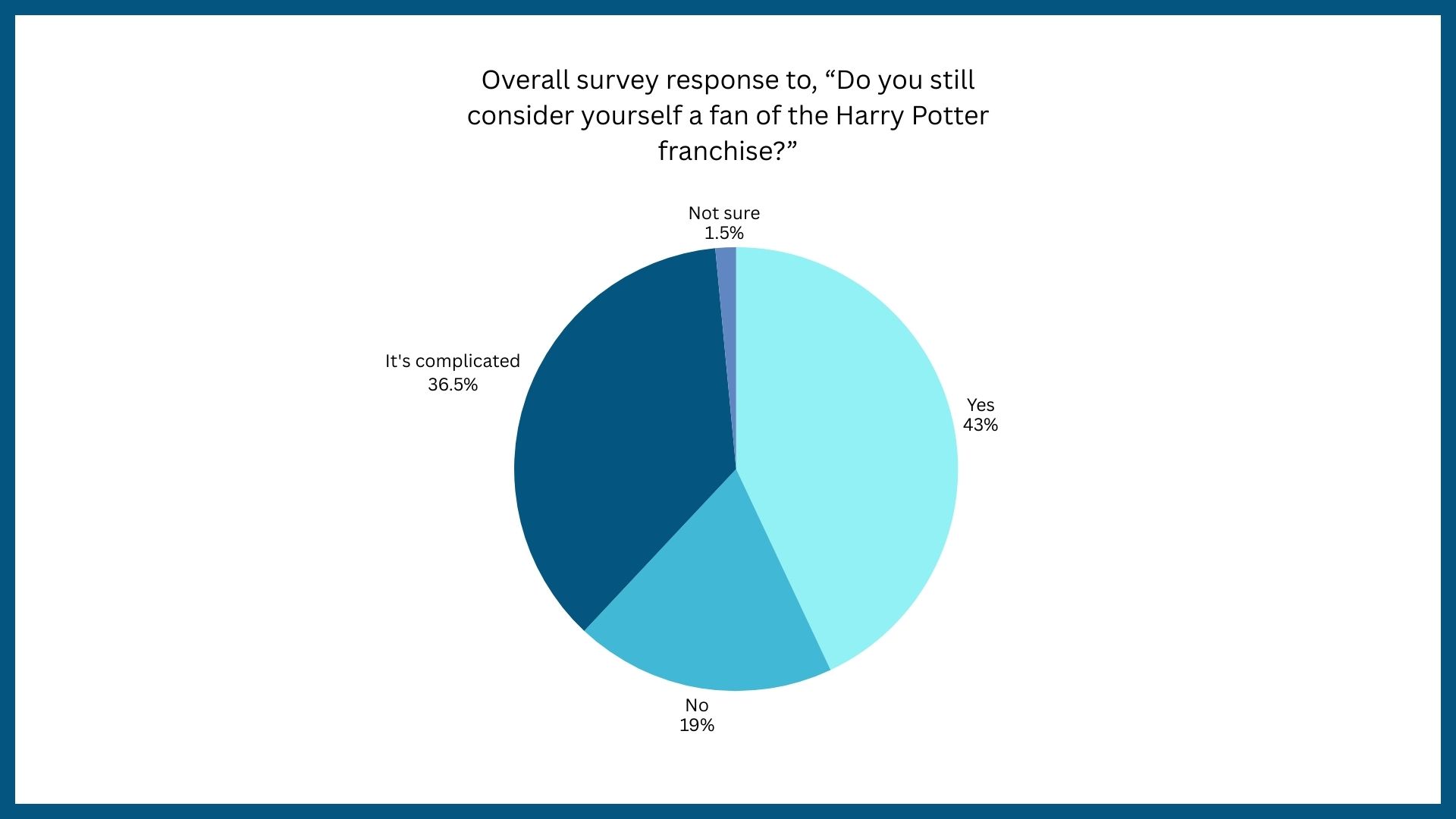
Figure 3. A pie chart representing survey responses. Chart made by the author using survey data.
3. Reorienting around a bad author
[3.1] Critical distance was one way in which participants justified persistent engagement with HP after Rowling's transphobic activism. By recognizing the fannish object as an object, fans created the distance necessary to consider the work as outside of the self. In some ways, this consideration of distance recalls Bourdieu's (1984) formulation of the pure gaze. Highlighting this analytic as a product of the bourgeois aesthetic, Bourdieu noted that the pure gaze was an approach to art marked by disinterestedness and objective distance from a critical eye. However, the way that fans spoke about distance indicated a wish to withdraw from the fannish object in order to assess it in a new light rather than to think about the object truly objectively. Even though they may not express the same personal stake in their love for the object, their conversations were still marked by deep reflexivity and originated from a place of personal investment. Rather than think about this distance as a method of personal removal, I center disorientation to highlight the ways that fans hold HP at a distance to enable an encounter that allows them to reconsider its positionality in relation to themselves, its author, and the world.
[3.2] For instance, during interviews Calvin recalled an anecdote in which a friend mentioned that Ayn Rand's Atlas Shrugged (1957) was his favorite book and likened his friend's appreciation for the book to his perception of current fans of HP. Critics condemn Rand's book for promoting the idea that individuals should act in their own self-interest, which supports capitalist and neoliberal ideologies (Rubin 2007). Calvin shared that his friend justified his appreciation of the book by noting that rather than endorsing the book's politics, his friend appreciated the book for the quality of its writing. Closing the anecdote, Calvin claimed, "The only point where I start having a value judgment on him as a person is if he says, 'Well, I believe this thing from the book is morally correct. Or morally incorrect.'" For Calvin's friend, the quality of the writing in the book was sufficient to draw him in even as the book's politics alienated him. For Calvin, the critical distance his friend maintained from the text allowed him to excuse his friend's appreciation for a bad object. Another participant, Griffin—himself a transgender academic—noted that academic discussion was now the only way that he could only engage with the HP franchise socially. When I followed up with him about what he meant by this idea, he reflected, "When I think about these discussions I probably really mean 'academic discussions with other queer and/or trans academics.' We flow back and forth from discussing the text and paratext whilst also floating between identities of queer individuals, academics, and fans alike." Griffin expressed a fascination with performing a collective, affective detangling of the grief that he experienced in losing his beloved fan object. At the same time, he reflected a desire to create distance around the bad author and her associated object for the intense pain that it caused him. In the case of Calvin's friend and Griffin's anecdote, politically minded discussions ensured that the politics of the fannish object were kept front of mind even when engaging with other parts of the text.
[3.3] Leaning into nostalgic feelings was also a frequently mentioned process through which fans were managing their appreciation for HP. Looking at the franchise in the rearview mirror, so to speak, allowed fans to think of it as something that was key to their past but no longer their present. By framing their attachment to the franchise as nostalgic, fans and former fans created distance from the text from which they could analyze it and draw their own conclusions about whether to engage with it further. In part, nostalgia helped participants rationalize the pleasure they derived from the text. With chin in hand, Calvin reflected, "It's not like I looked back on it and it was like my enjoyment of the entire series is ruined…I did get the distinct sense that I wouldn't enjoy anything further and that it was important to understand problematic elements of the originals." In other words, nostalgia sustained an attachment to the franchise in the sense that HP will always be part of his childhood memories, but the content of the books and the activities of Rowling meant that nostalgia couldn't sustain a contemporary commitment to the property.
4. Reckoning with a bad author
[4.1] After the crisis within the franchise, social connections were one area of fan lives that were impacted as fans negotiated their own responses to the situation. When asked to broadly explain their relationship to the franchise, many of the interviewees began by signaling that their connection to HP made them feel more connected to their family, friends, and peers. They exhibited strong sentimental attachments not to the particularity of the book or the characters but to how the books and films fit into greater social dynamics or events in their lives. For instance, several participants indicated that they waited in line at midnight with their families for book releases and at movie premieres. They shared not only books but also experiences that reached internationally. Felix, for instance, recalled that reading the series helped him connect with his family abroad despite difficulties with language barriers. During interviews, he smiled as he recalled having to avoid spoiling the books for his cousins living in Germany due to the delay in the overseas publishing schedule. Other participants recalled connecting with friends at school or at camps over which Hogwarts house they identified with. The oldest participant that I spoke with, Keith, who worked in student affairs, recalled the opportunities for transgenerational connection that being a fan of the series offered. He said he used Hogwarts houses as an icebreaker because "in a room of thirty students…over half would be familiar with the franchise," and it "was just an easy way to engage in conversations with…students I was working with. And I think students always find when supervisors or staff have a certain thing or identify a certain way, that helps build the connections with them." From these examples, we can see the ways in which fans of HP identified with the work, but ultimately one of the foremost memories of that connection was how they used that identification to foster other connections and attachments with other fans.
[4.2] Participants expressed two perspectives on their interpersonal relationships with others in the wake of Rowling's scandal: half were considering how to interpret the actions of current HP fans while the other half were concerned about how others would perceive them as current fans. Clearly, these fans demonstrated that Rowling's cancellation weighed on their interpersonal relationships and, in turn, that the choice to support or withdraw support from a bad author comes with associated value judgments. As a researcher, I would liken the conversations I had with participants to those that I have had with friends who have reflected on what it feels like to go home for the holidays to visit family members with competing political views. Participants were flustered and frustrated; they often struggled to find the right words to even talk about the issue. Those questioning the values of others who remained fans of HP demonstrated concerns around the critical distance that these individuals were holding from the object. John, for instance, shared the following: "If the weight of those memories is going to let people like J.K.R. manipulate you, that's not a good sign…if your tie to this Harry Potter-shaped affinity blob is stronger than certain parts of your tie to your moral compass that does make me nervous." In expanding on this answer, it quickly became clear that John was not thinking generally about HP fans as not being critically minded or uninformed, but rather that he was wary about any kind of willful ignorance that would result in someone choosing to be uninformed about the issue but engaging with the content anyway.
[4.3] When offered an opportunity to expand on the idea of monetary support for the franchise, many participants shared strong feelings about what supporting a franchise with a bad author meant to them. Making choices about how to consume the franchise, however, did not always align in anticipated ways regarding how attached fans were to the franchise. Gabrielle, for instance, was still very engaged as a fan but did her best not to buy the merchandise. When asked to explain her positioning, she noted that it was "partially because people look at you funny a little bit nowadays if they know what's up." Gabrielle's reflection resonated with several other participants that I spoke with as well as a couple of the anonymous respondents who expanded on the way that engaging with the franchise made them feel shameful or even embarrassed. Gabrielle shared that she changed her fan practices because she worried about how other people would perceive her because of these connections. For example, she mentioned fussing about the merchandise that she kept in her home because she worried that her queer friends would feel unwelcome in the space. Gabrielle also noted that after Rowling's fall from grace, she could no longer wear robes to conventions because other people started giving her "nasty looks." In extreme instances, Gabrielle mentioned that she was approached by people who asked why she was supporting someone who is transphobic. While she noted that she understood why these individuals responded that way, her tone when she answered the question signaled to me that these instances impacted her in a negative way. Sustaining a visible, outward signifier of fandom meant that these fans were put at risk of judgment from others who they otherwise considered peers. While fandom is an identity-forming practice, it is also subject to judgment in the way that other markers of identity (sexuality, gender, age, race) often are.
[4.4] Other participants did not want to continue consuming official merchandise but still felt comfortable consuming unofficial merchandise and media. Rather than accept Rowling's views as an extension of the franchise, adult fans of HP choose to imagine the nature of their attachment differently. Although they are not necessarily participating directly in creating these fan-made works, their decision to prioritize fan-made works when they could engage with official works indicates an interest in isolating the object of their fascination from the problematic author. In engaging with fan-made works, fans are not only withdrawing financial support from Rowling but also removing her from the lens of their perception and trying to imagine the world differently. Henry, for instance, claimed that once a piece of art is out in the world it belongs to the fans, and that those who create new fan works with the HP franchise as a touchstone can use the material and expand upon it without taking on the political views of its creator. Along this line, John and Russell both approached fan-created work from the angle of reclamation. When asked why he had replied "it's complicated" to the survey question about whether he considered himself a fan, John responded, "Does it make sense to call myself a fan when 90 percent of what I'm engaging with is content by people who are stripping the universe to the studs and building something better out of it?"
[4.5] Finally, a couple of participants indicated that it was difficult and even painful to encounter the franchise in any official or unofficial capacity. According to Griffin, even consuming fan content was a painful process because of what it signified: "If I choose to walk down a path of reading a fan fiction or getting really invested in fan comics or something, then I'll eventually walk back to the painful event and events that she currently continues to interact with." Another participant, Corey, shared that even buying unofficial merchandise from which Rowling does not benefit posed an ethical question for him. "I think that is what makes it so much more complicated and confusing," he said, "because you have all of the official merch, then all of the nonofficial stuff where it's like…It's not just about vetting the individual; it's about community impact." Corey's position demonstrated both an intention not to financially support Rowling's profit margins as well as an intention not to endorse any of the additional harmful ideologies that emerge from her works.
[4.6] Despite sweeping claims that they could never return to HP, when prompted nearly all participants that I interviewed imagined circumstances in which they could justify reconnecting with the franchise again. Admittedly, several of the exceptions were quite extreme or simply unlikely. Some fans indicated that they would be able to engage with the fandom again if Rowling was dead, recalling the #RIPJKRowling movement on Twitter. Another interviewee felt that they could engage with the franchise again if Rowling apologized and made significant donations to the transgender community. Others had at least one HP-related event that they would be willing to make an exception for, such as receiving free tickets to the Harry Potter and the Cursed Child stage play or having the opportunity to visit the Wizarding World of Harry Potter on a work-related trip. In this case, fans demonstrated that they would not let Rowling's actions get in the way of their personal life experiences and satisfaction. However, in the end it was not necessarily the moments that fans would draw exceptions for that were the most interesting in interviews. Instead, it was the way that fans spoke about themselves when making these exceptions that stood out most distinctly.
[4.7] Several participants reflected on their social privilege (as cisgender white men) in being able to continue engaging with the franchise. As noted earlier, only 30 percent of white, straight, cisgender survey participants felt that they were impacted by Rowling's actions. These follow-up interviews somewhat explain the impulses behind those results. Zack, for instance, noted that as a "straight white guy" there was not much "people can say to get under [his] skin…There are probably people who would say I'm a bad person for [not being bothered by Rowling's actions], but at the end of the day it's…something that I've loved since I was…like nine." Felix, a white, bisexual, cisgender man, also reflected on his privilege in being able to set aside the issue of trans rights in favor of enjoying the films. He noted that he felt "privileged to just like the wands and the stories and spells…it sucks that that's the story resulting from this person, but that's a lot of art forms…The art is gorgeous, but the artist can be an ass." Zack and Felix seemed particularly concerned with prioritizing their own experiences. They also seemed concerned that by acknowledging Rowling's actions as problematic, this would spoil their ability to enjoy the franchise. In other words, their motivation to ignore, excuse, or just set aside Rowling's behavior was rooted in the preservation of their individual fannish experience. If they understood her actions differently, this would cause disruption to how they understood not only the franchise but also themselves and their personal histories.
[4.8] While Zack and Felix considered their privilege in being able to continue enjoying the franchise, others considered it a privilege to stop enjoying the franchise. Both Quincy and Gabrielle considered access and disability as they negotiated their own attachments. Quincy, for instance, a white, queer, and nonbinary interview participant, noted that it can be a difficult choice to stop engaging with such a powerful pillar of media even though they no longer support the franchise. Reflecting on growing up in a poor area with an underfunded school system, Quincy emphasized that even though their school did not always have funding for paper, they had HP: "It's just one of the series…that was a commonality between so many people, and it was so accessible—both because it had so many copies printed and because of the language use. It's a very accessible story. It feels very good. And it does, for what it's worth, include a lot of themes that I think are personally relevant to a lot of different types of people even if the way that she represents certain identity groups is not very clean in any way." As Quincy noted, to stop engaging with Rowling's work, you must have access and the opportunity to engage with different media, something that they felt wouldn't have been an easy choice for them when growing up in an underprivileged area. Quincy closed this reflection by noting that they did not blame people who continued to engage with a franchise that was so personally transformative for them. However, they also noted that it would be impossible to excuse continued engagement with a franchise if they also supported Rowling's views wholeheartedly. This perspective recalls the discussion about the importance of distance and the constant push and pull of fan culture that I noted above. Because the themes that fans valued in HP conflicted so distinctly with the ongoing activities of its bad author, fans struggled at times in interviews to reconcile the two.
[4.9] Gabrielle also reflected on the challenges of being an autistic fan as others left HP behind. Rather than take Gabrielle's reflection as a representation for all autistic fans, I offer her perspective as a single fan living with autism. Speaking from her own perspective, Gabrielle felt that her experience as a neurodivergent fan varied from the way that she understood neurotypical fan behavior. She mentioned that she felt that being autistic made it harder for her to let go of HP because it has been "such core part of [her] special interests for a very long time." For Gabrielle, being autistic meant that giving up the franchise was more difficult because she wasn't engaged with many different media attachments. In her words, "people who are fans that are neurotypicals are fans of a lot of things, and they love those things a lot. But for me, I'm a fan of like three things and I don't care about any other fandom things." Where Gabrielle perceived other fan interests as being more diffuse, she considered her own fannish attachment as specialized and with a greater degree of intensity. Whether Gabrielle's perception of neurotypical fandom was accurate, in explaining her perspective, it was clear to me that making a change like withdrawing from the fandom entirely would have been devastating for her because of the way that she structured her own identity around it. While the intersection of disability and fandom is not a primary focus of this article, Gabrielle's reflection suggests the importance of further research on the topic of disabled fans and cancel culture. As a note on which to conclude my analysis, Gabrielle's reflection exemplifies the ways in which a subject's identity can impact the way that they orient themselves around a fandom in crisis. The reflections of all of the participants indicated that there are still ways in which their lived experiences demonstrate that they are managing the tensions between a bad author and a beloved, yet messy, cultural object.
5. Conclusion
[5.1] While my intent has not been to determine whether Rowling has been canceled, I think it is worth briefly reviewing the outcome of the #RIPJKRowling movement that sought to end her career. Early in the movement, it seemed that Rowling was being kept at a distance from the intellectual property. She was notably absent from the Harry Potter 20th Anniversary: Return to Hogwarts (2022) television special on HBO Max that celebrated the first eight films. The Wall Street Journal also reported that she did not pose with the Fantastic Beasts cast at a film premiere shortly thereafter (Schwartzel 2024). However, as time has passed, it seems that these are not lasting changes. Hogwarts Legacy (2023), for instance, was a commercial success and the top-selling game of 2023 in the United States (Statista Research Department 2025), and it currently has a sequel in development. The Wizarding World of Harry Potter at Universal Orlando expanded in May 2025 (Harry Potter Editorial Team 2024). HBO is also producing a HP television series with Rowling as an executive producer that will be released on December 25, 2026; news about filming and the cast is currently circulating (Tapp and Gomez 2026). As time passes, Rowling appears to be taking a more prominent position in the development of this project. According to a representative at HBO, "we are proud to once again tell the story of Harry Potter—the heartwarming books that speak to power of friendship, resolve and acceptance…J. K. Rowling has a right to express her personal views. We will remain focused on the development of the new series, which will only benefit from her involvement" (Vary 2024). While the author herself acts in ways that directly contradict the themes that the HBO representative highlights in this quote, Warner Bros. is committed to keeping the franchise alive and her star image alongside it. As HP enters a new era and introduces itself to a new generation of fans, only time will tell how the series sells to audiences who do not have the same social connections, nostalgic memories, and ongoing attachment that I outlined here.
[5.2] Interviewing fans directly with an open mind for how they responded to crisis within their fandom yielded productive results. The roughly thirty-minute interviews that I held with participants offered an opportunity for them to develop in-depth responses that demonstrated the ways that crisis within their fandom impacts them and the ways that they are reaching into the world. It also allowed them to qualify their own feelings about the franchise in a way that a social media post that directly responds to a moment in time might not. On the other hand, these interviews (several years after the crisis began and scheduled at least a week in advance) offered fans more time and space to negotiate their attachments and retell them back to me. If the field of fan studies is to make the turn toward affect, we should also consider how we can approach fans at the individual level. By centering affect, I sought to create a space as a researcher where fans and former fans alike could reflect on their own attachments to the franchise in a way that did not assume a binary position of fan/antifan, beloved/canceled, supporting/not supporting. Rather, the interviews critically examined the gray areas and hurdles that fans navigate in the process of becoming and unbecoming fans. These interviews demonstrated the importance of analyzing fans of long-standing franchises that do not necessarily exclude nostalgia or resistance but that also create space for fans to expand on their own reasons to identify (or to no longer identify) with a media product. Rather than blindly consuming the content, this investigation demonstrates that in several cases fans were finding their own ways to justify, temper, or qualify their own participation in the fandom to whatever degree they were able—from full-scale detachment from the franchise to complete endorsement. In future investigations, it would be valuable to see how fans in other fandoms navigate the waters of crisis to maintain or dissolve their own attachments.